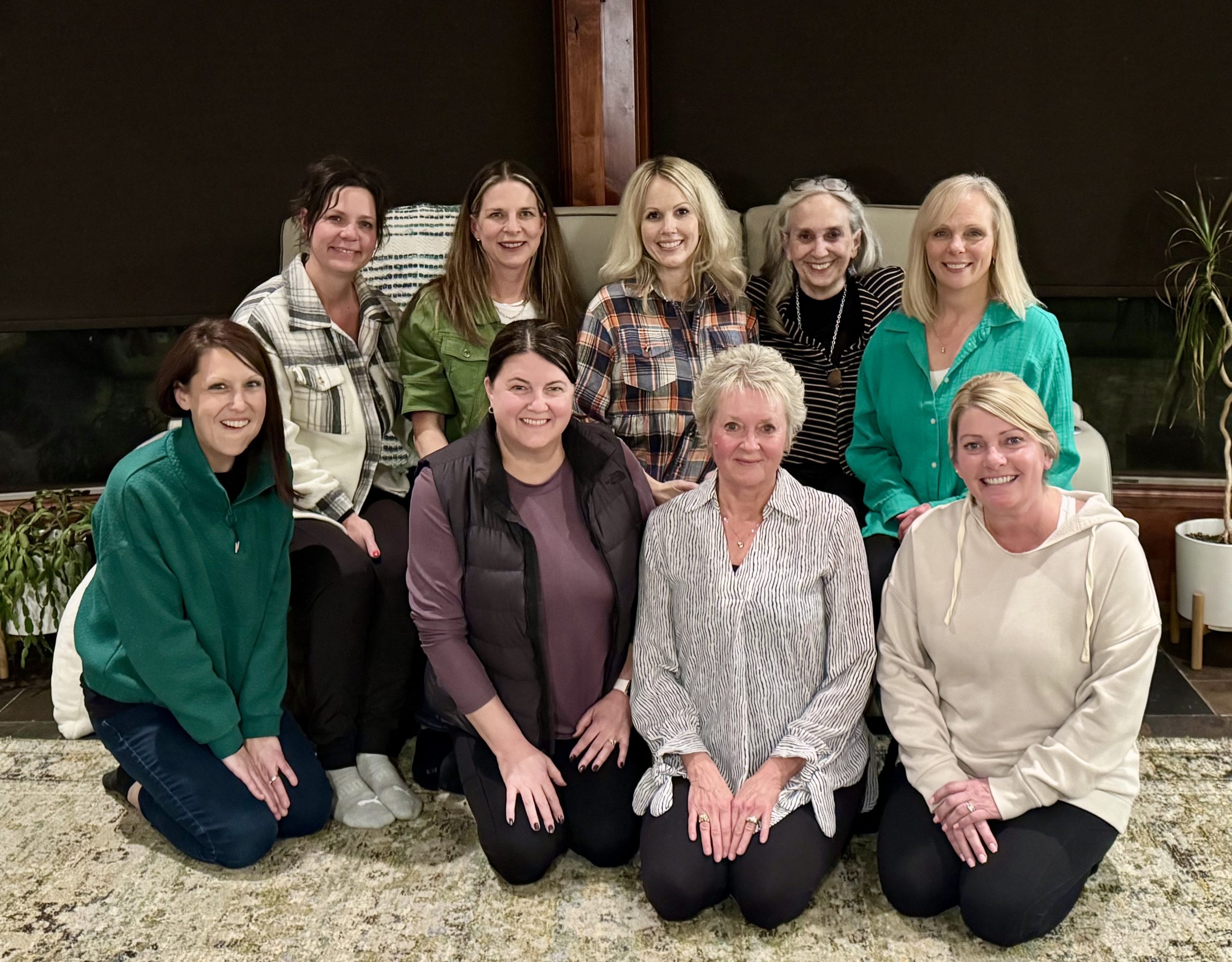
I can hear the melody as I write every day, knowing my last line of defense before my novel heads to my editor will be my strongest and most critical—a small but mighty group of individuals who want to assist in the story-telling process, and readers who care.
My cozy mysteries are made so much better with the assistance of a group of great readers. But it’s not just any group. In my coalition, I have beta readers, some I know and some I do not, and a wonderful critique group, and each of them supports my writing journey differently.
My beta readers give an instinctual, innate feeling or overall reaction that comes from a deep, emotional connection using common sense rather than analytical reasoning. Each reader has his or her own strengths, and they draw from their jobs, hobbies, likes, dislikes, other books, and life experiences. Some know grammar like the backs of their hands. Some know history, sports, music, or are experts in other specialty fields. A few of the more daring travel with me, pointing out highlights (and lowlights), while others, who have trekked the same paths, bring a novel viewpoint. Those readers have each given me their valuable take away after reading my story. They have been so very helpful in smoothing rough edges, pointing out inconsistencies, finding inaccuracies, and indicating where a story drags or if it is in sensory overload.
In addition, feedback from fellow authors and writers who critique the exact same words can go beyond the gut level feelings. The perspective from someone else who experiences the angst of the Imposter Syndrome can take aim at possible alternate paths, different choices, and perhaps deliver more concise honing of a premise. They provide honest and sometimes difficult to swallow opinions, asking, “Is this what you really meant to write?” The same critique group makes me question my intent and solidify my argument for using a specific character, plot point, dialogue, theme, or word, and the exchange strengthens the story line.
The same comment received from individual readers can have an entirely alternate meaning, so every comment is taken within the context of the giver and is worth its weight in gold. For example, when an old friend says, “I really like your book,” it is a wonderfully kind, loving, compassionate compliment with so much up lifting support and warmth, but sometimes, when someone you don’t know says, “I really like your book,” it carries a different gravitas, a bit like Sally Fields being recognized with an Oscar saying, “… but this time I feel it, and I can’t deny the fact that you like me.”
THANKS TO ALL READERS AND REVIEWERS


